1School of Life Sciences, Shanghai University, Shanghai 200444, PRC, China.
2College of Science, Shanghai University, Shanghai 200444, PRC, China.
Da-Yong Lu
Email: ludayong@shu.edu.cn
Received : Oct 08, 2025 Accepted : Nov 14, 2025 Published : Nov 21, 2025 Archived : www.meddiscoveries.org
Introduction: The potential threat of coronavirus outbreak (COVID-19, SARS-CoV-2) maintains worldwide. The therapeutic strategies (drug targeting, selection and combination) to COVID-19 infectious need new biological theory and pharmaceutical insights. To cope with these therapeutic progress, long COVID and clinical treatment selections are key avenues for cost-effective consideration and therapeutic breakthroughs.
Methods: To speed up drug development and clinical therapeutics against COVID-19, advanced diagnosis, different therapeutic modality, drug selection and combination should be systematically investigated. Targeting infectious and therapeutic variability, biomedical mechanism, novel evaluative architecture and drug development pipelines should be integrated.
Results: By the invention of novel evaluative modalities, viral infectious biology, pathophysiology properties and computational aids/designs can be gradually understood. Facilitating comparison between drug develop and clinical application against different facet of viral-induced infections and social threats should be effectively established. Based on biological and pharmaceutical aspects of medical progress, communication and dialogues between doctors and patients for drug selection should be a future trend. The ways of medical landscape for COVID-19 diagnosis and treatment transition in new era are highlighted.
Conclusion: The intensified COVID-19 study may boost viral diagnostic and treatment activity worldwide.
Keywords: COVID-19; Drug evaluation; Herbal medicine; Drug selection; Anti-viral drug development; Computational drug design.
Viral outbreak
The outbreak of coronavirus (COVID-19, SARS-CoV-2) create the great socioeconomic and healthcare burden worldwide. Though the global social orders back to normal, no sign of viral retreat is up to now. The interaction of vaccines, drugs, techniques and therapeutic selection should achieve unexpected breakthroughs [1-5]. Changing medical scenario of therapeutic tradition might happen in the near future.
Biomedical approaches and progress
The main parts of COVID-19origin and biology had been revealing in viral diagnosis, components and different anti-viral pharmacology in the past [3-5]. Advanced knowledge, capacity and opinion can determine the various outcome and potency of preventive and therapeutic strategies.
To facilitate global efforts against COVID-19, therapeutic variability and optimization study is the most important topic. Different patterns of medical and pharmaceutical study can support and translate into good diagnostic and therapeutic guidelines in new era. The complexity and progress of global epidemic and pharmacological actions mean the achievement of integrative knowledge, new techniques and useful therapeutics in the clinic. Different biomedical approaches should be made.
Major obstacles, barriers and conflicts for viral treatment
Though we are no longer afraid of viral infection, healthcare issues in small-ranges still need cost-effective drugs, knowledge accumulation and technical progress in the future [5]. To make diagnostic and treatment breakthroughs, following pathways and barriers might be highlighted;
⮚ Viral origin discovery (therapeutic and preventive significance);
⮚ Genomic comparisons between coronavirus and other viruses (intra- or inter-virus information, vaccine coverage and human genome wide associated study) [6];
⮚ Vaccine production technology (biologically, cost-effective, undesired side-effective and product pipelines);
⮚ Diagnostic widening (viral variants, clinical symptoms, medicinal targeting, drug types and molecular mechanisms of action);
⮚ Therapeutic effectiveness (drug targeting, selection and combination);
⮚ Evaluative systems (genetic, molecular, cellular and animals);
⮚ Drug development pipelines (learning from traditional medicine or machine, repurposing, novel targets and delivery)
⮚ Learning from computer or machines
Viral origin insights
The knowledge of COVID-19 origin comes from different angles [3] (Figure 1). To avoid repeat outbreak and epidemics, COVID-19 origin discovery is a top priority. No matter how peaceful we now face, the potential should be prepared [3-5].
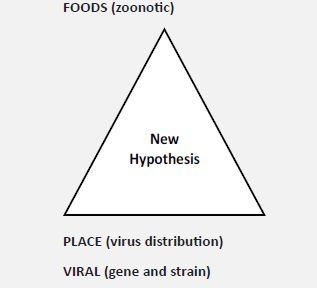
Since no hypothesis for COVID-19 origin is in dominant state worldwide, several possibilities of COVID-19 origins should be evaluated. Overall assessment of possible COVID-19 origin should be made. We should study all possible pathways and take any opportunities for preventive and therapeutic updating—including zoonotic hypothesis [6]. In the future, we should study them at different steps and levels.
Viral infection characters
There is a great variation for viral infection (symptoms and mortality) via different genetic or physical causalities. However, we do not know these variations in depth. What is the genomic and phenotypic changes and aberrations in infectious persons? General circumstances and risk factors are proposed in (Figure 2). It is an interesting and useful topic for COVID-19 study. We address this scenario below.
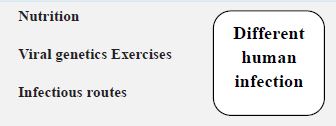
From different viral origin, risk factors and human health condition, these clinical evidences and data can help viral treatment in broader-range. We may predict disease progression and optimize drug selection for each patient in the clinic.
Viral preventive data and techniques
To prevent viral infection, different types prophylactic actions can gradually promote viral prevention and spread in people. Though it is not so straightforward, several useful pathways might limit viral infection in most people. Among these efforts, viral vaccine develop is the most important one [7].
⮚ Regular exercises (immune regulatory promotion)
⮚ Herbal fluids or solid mixtures (several commercial products in eastern countries)
⮚ Nutritional promotion (vegetable, fruits and meats)
⮚ Prophylactic vaccination (varied in formula, technology and genetic backgrounds of human population)
⮚ Avoid extreme hard work without good sleep and nutrition
Diagnostic association
The quality of transmission reduction and treatment is associated with viral diagnosis in the clinic. Integrative diagnostic systems that can determine long COVID or drug selection are welcome. Today, we cannot judge and identify which system is more effective and suitable. Further biomedical evaluation, comparison and optimization are needed to improve the healthcare systems in broad-ranges.
Conflict in treatment design
The ideology for COVID-19 treatment splits among different doctors and researchers. Though it is recommended that little treatment is required for ordinary infectious patients, it is easy to miss some fatal patients. Patients with COVID-19 infection have different sign, symptoms and organ damages. Due to different diagnostic profiling (viral positive, strains, load, precision sequencing, multi-omics and human health deterioration), viral treatments may be diversified, optimized and personalization. In order to promote therapeutic responses and outcomes, pathological profiles, pathways and stages may be classified before treatments. To promote the outcomes of treatments, different drug targets should be aimed. Over-treatment or under-treatment should be optimized.
Biology and targets of COVID-19
COVID-19 genome encodes 5 viral proteins (four of structural molecules and one transcript enzymes). Four structural molecules are spike-glycoprotein, membrane, nucleocasip protein and envelop protein. The viral transcriptase is used for viral replica [9-11].
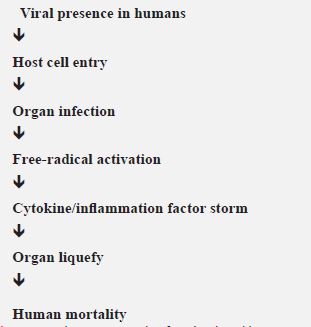
At present, spike glycoproteins (vaccine targets) and transcript enzymes (viral replica targets) are most important targets for medicinal interventions. They are associated with viral entry, replication and spread to neighboring organs. These two preventive and therapeutic targets will be the hotspot for future pharmacotherapy, vaccination and therapeutic benefiting study. Correspondingly, these two patterns of molecular targeting are the focus of viral transmission blockers and therapeutic targets. To make such translation, pathogenic cascade for human mortality is most important (Figure 3). Unique treatment system should be built for COVID-19. Different pathways of viral pathogenic progresses can be targeted by different drugs. In depth knowledge will be testified.
Clinical situation of pathogenic diversity
One of the greatest challenge and difficulties for coronavirus diagnosis and treatment is a variability of disease progress and drug responses. As a result, drug selection and optimization plays unique role.
Uncertainty of different pathophysiology between infectious patients and treatment outcomes is a challenge and opportunity for disease diagnosis and treatment advances. In this stage, patient’s treatments still rely on symptoms and doctor’s experience rather than molecular or cellular targets in pharmacotherapy bases. We should translate diagnostic profiles and pharmaceutical options from “viral positive in people” to “technical-driven viral or pathology profiling” in drug design and clinical selection. These clinical data and topics are increasingly accumulated nowadays [5].
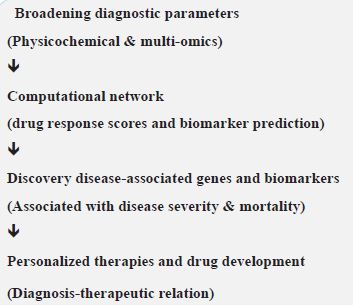
In order to update therapeutics against COVID-infection, the cascade or multi-omics profiling of pathologic progress should be boosted. Furthermore, the understanding of patho-therapeutic relationship can help us to design, optimize and select suitable drugs for different patients (case and stage classification).
Viral diagnostic and therapeutic relation
Disease diagnosis from viral positive in people to a spectrum of biochemical or cellular hallmarks is the benchmark for diagnostic and therapeutic maturity. Currently, most infected patients are still labeled with viral positive in treatment patients. Viral diagnostic widening could improve therapeutic decision-making at tangible basis—pathological classification, biochemical profiling, drug mechanisms and therapeutic optimization [9]. This is a foreseeable pathway we can believe in (Table 1).
| Viruses | Signs & Symptoms | Morphologic View | Molecular biology |
|---|---|---|---|
| Viral presence | Respiratory tract | Pulmonary | Thrombosis-related |
| Viral load | Fever | Organ damage | Cytokine/chemokine |
| Viral components | Cardiovascular | Multi-organ failure | Biomarkers |
| Viral variations | Inflammatory | Organ liquefy | Pathological pathways |
| Major Drug Categories | |||
| Anti-viral | Herbs | Biotherapy | Anti-inflammation |
| Therapeutic Designs (drug) | |||
| Doses | Delivery to organs | Selection | Combination |
| Diagnostic Data Computation and Integration | |||
| Algorithms | Algebra | Data-mining | Drug selections |
Different pathological and diagnostic profiling at genetic, molecular, cellular and immunological repertoire is important for therapeutic selection. More targeted drugs can be used for viral infectious treatment personality and toxicity-reduction.
Drug targets
The unique character of COVID-19 infection is disease and drug response variability—ranging from asymptomatic to mild, moderate, serious and fatal. This complex property of COVID infection and treatment variability is the foremost issue for medical challenge and opportunity. To face with this scenario, greater number of different drugs (targets and mechanism) should be developed.
Due to the variability of COVID-19 infection and treatment—vaccines, drug and therapeutic election, personalized vaccines or medicinal chemistry may be hospitalized. Huge fund should be granted for this therapeutic move-forward. It depends on different epidemic condition and financing of different countries.
Therapeutic vaccination
The various potencies of different vaccines depend on biological property, vaccine formulae and modern techniques. The global distribution and efficacy of COVID-19 vaccines is imbalanced among different regions and countries [12]. Diversity of viral strains, countries and human races should weapon with different vaccines according to their own interests and technical levels [13-17].
The formulae and sequence of COVID-19 vaccines are diverse [5,6]. The complexity of different COIVD-19 vaccines (molecular, structural and potency) may be selected in different patients. Since the efficacy of viral vaccination needs to be carefully evaluated in enough normal people, robust evaluation framework requires long period comparisons between normal and infected persons. Following factors may be key issues for considering vaccine personalization;
⮚ Is there any potential threat for vaccine treatment?
⮚ Is the manufactured vaccine largely usefulness?
⮚ Can licensed vaccines be effective for specific types of coronaviruses?
Due to the complex and diversity of vaccine products, comparison between different vaccines (efficacy and toxicity), schedules (doses, several injections and duration of repeated jabs) and technology (inactivation, purification and biological manipulation) is required to update vaccine production. These comparisons may create new weapons against COVID-19 epidemics and human mortality. Future COVID-19 vaccines can be optimized and bring new hope for sick people.
Long COVID managements
At present, long COVIID is an annoying clinical feature that may be caused by drug resistance or unknown pathogenesis and devastating consequences. Currently, we can do little about that until now. A way for understanding and treatment of long COVID should be explored.
Long COVID in patients are those who show complication in the clinic (long fever, immobility, dementia and others). However, its knowledge and chronic mechanisms is incomplete. It contains therapeutic resistance and damage to infectious patients. Along with other serious symptoms and conditions, drug combination or integrative therapies may be helpful. This therapeutic strategy (drug combination) has been success in similar diseases, like Human Immune-deficiency Virus (HIV) infection [18,19] and cancer [20,21]. New breakthrough is waiting for overcoming this clinical challenge of viral infection treatments.
Different categories of therapeutic drugs
COVID-19 treatment is a complex topic. The biggest challenge for previous reports was the high-incidence of drug or therapeutic toxicity by anti-viral therapy [22-28]. More than 70% of COVID-19 infectious patients are not fatal, even asymptomatic. In these viral infectious patients, utility of low toxic drugs is more welcome. To change the way over-therapeutics, pathological or diagnostic paradigms should be established.
COVID-19 treatments are divided into several forms. We list the major pharmaceutical forms of drugs in the following;
⮚ Biotherapy (plasma, interferon or other [25,26]
⮚ Antiviral (nucleotide or their derivatives) [27,28]
⮚ Phytochemicals (alkaloids, polyphenols or others) [29-34]
⮚ Herbal medicine [35-40]
⮚ Nano-drugs [41,42]
Therapeutic selection should be based on different pathogenic stages and personalized condition. COVID-19 infection and treatment variability means the promotion of drug selection. Today, no rule and principle has been revealed for viral infection and therapeutic variability. Greater amount of money or treatment studies is indispensable. Hidden rules for viral infection progress should be discovered [17].
Clinical dose selection is based on genetic variants of drug metabolic enzymes, drug concentration analysis from human blood and rules of drug combination. But, there is still lack anti-viral drug with wide safety margin between therapeutic safety and efficacy (Table 2).
| Molecular Targets | ||
|---|---|---|
| Antivirals | Anti-inflammation | Bio-agents |
| Viral replica & load | Major symptoms | Viral-human genome integration |
| Patient’s Health Condition and Drug Efficacy | ||
| Herbals | Pro-drugs | Assistant agents |
| Patient’s health | Drug delivery | Long COVID |
| Viral control | Drug distribution | Symptom alleviation |
| Organ damages | Viral specificity | Physiology consideration |
| Pharmaceutical Characteristics | ||
| Costs | Drug storage and transport | Licensing |
Drug selection includes drug types, combination and doses. That can be gradually improved by technology and computational network.
Requirement of boosting drug development
Today, there is lack of excellent therapeutic modality for all patients with COVID-19 infection. In order to improve therapeutic selection for different degree of viral infection, more number and types of relevant drugs should be evaluated and developed. As the vastly different situation of infectious patients, the boosts of drug development and licensing are paramount. Due to low-rate of human mortality for usual COVID-19 patients, drug development for COVID-19 will commonly not be lucrative. As a result, no large fund will be entered for drug development and licensing for COVID-19.
However, different countries and historic background may have different attitude of economic policy and fiscal pressure. It may be possible that some countries, like China may pay more attention and financial support on this matter.
Overall, it will be unrealistic to pay huge money on single drug licensing worldwide. Some technical innovation and small-scale drug development systems may be easy to find. This may be a future transition in the coming decade worldwide [44-46].
Computer-aid drug design and development
In conventional biomedical study, Computation-Aid Drug Design (CADD), Quantitative Structure-Activity Relation (QSAR)or other computational tools play increasing roles in drug development [47-57]. Following molecules are currently under drug screening and targeting study for drug development, licensing and marketing (Figure 4). Potential drug targets and compounds active against these proteins may enter into biochemical or pharmaceutical study.
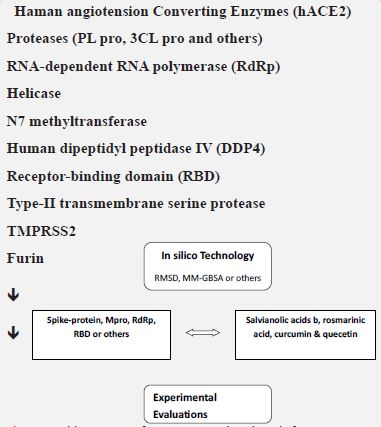
Despite a great advance in such computational tools and evaluative techniques, these types of work need to be compared from independent experimental data (cellular and genomic). Accordingly, the systems of computational tools and network can improve clinical therapeutics and drug licensing in financially reducing way [58-60]. It is transformed from drug response scores into dose range prediction and derivative comparisons for chemical structures, lead and targets.
Drug delivery
Nano-materials and drug are widely reported for therapeutic promotion worldwide. Since COVID-19 is a nano-pathogen (80-130 nanometers) in nature, nano-drugs in (1-100 nm) can provide maximum physic contact in human bodies. It is targeted to induce higher potency in viral treatment. In addition, drug delivery to specific organs may help discovery and treatment outcomes. Correspondingly, this is a potential avenue for drug treatment updating in new era. More nano-drugs will be used for resistant viral strain treatment and curability [41,42].
Co-morbidity
Patients with underlying diseases, such as obesity, type 2 diabetes and cardiovascular (hypertension)are usually more difficult for enduring viral infection, surgery or other emergency treatments [17]. At this stage of coronavirus treatment study, an urgent clarifying for coronavirus infection in patients with underlying diseases is required. Previously, hypertension in patients is more likely to disease advance into severe symptoms. Underlying mechanisms and relations should be discovered and targeted in the next stage of drug development.
Integrative knowledge and technology in drug development
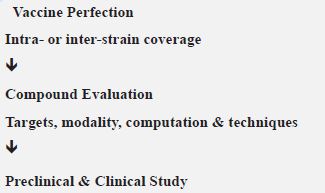
This is only the beginning of COVID-19 campaign. A great scientific and technical progress should be integrated between diagnosis, pathology, chemistry, pharmacology, technology and medical treatment in the future [61-72] Figure 5 shows such integrative study; (Figure 5).
Major avenues for future study
⮚ Identifying infectious patients from a crowd of normal people
⮚ Classify disease pathogenesis and stages at genetic and molecular levels
⮚ Comparison the biology and drug treatments between COVID-19 and other tropical viruses [73-75]
⮚ Finding rules and principles of infection and treatment variability
⮚ High-quality disease diagnosis
⮚ Establishing patho-therapeutic relations
⮚ Human genomic study for long COVID
⮚ Development of more effective drugs and therapeutic paradigms
⮚ Mathematic methods, computational tools and artificial intelligence simulation in coronavirus study and treatment
⮚ Function of herd immunity [76]
Human genomic integration
Human genomic integration might be a useful pathway for viral infection and mortality. There are many genomic pathways are associated with disease pathogenesis and treatment [77-79]. It suggests that human genomic study may shed new light for treatment promotion for long COVID and human mortality. With the great advances of genomic knowledge and technology, future work is needed to focus on medical or therapeutic breakthroughs by reducing research costs [80,81] and expanding pharmaceutical communications in a long run.
New principle discovery
Since there is no highly effective drug for long COVID and life-saver worldwide, new principles should be discovered [46]. It is very important to design and evaluate anti-COVID-19 agents and drugs via new routes. Certainly, it needs to base on pathological knowledge and pharmacological optimization. Useful animal and human cell models (in vitro, in vivo and in silico models) are indispensable part of initial drug development. Druggable targets and pathways are proposed at any possibility of treatment evaluation and clinical application. Despite a great advance in such computational and simulation techniques, pharmaceutical work can provide huge assets and facilitate experimental study by computational drug discoveries, comparison and evaluation.
Drug combination study
To many deadly viruses, such as HIV infection and cancers, drug combination plays key roles for promoting therapeutic responses and outcome. However, this effort needs systematical optimizing and schedule selection in the clinic [18-21]. Some tricky and useful tactics of both experimental and clinical paradigms are unavoidable. By drug combination study, viral treatments for infectious patients can be greatly improved by targeting co-morbidity [82].
Currently, it is an urgent topic for studying drug combination principle for long COVID and severe patients. This therapeutic breakthrough can improve patient’s survival for refractory and severe ones.
Since COVID-19 epidemics has led to reduced human life expectancy worldwide [83], a lot of social and healthcare advances should be focused in biomedical diagnosis and treatment variability (Table 3 and Figure 6) Among drug development, new generation of herbal treatment study and application may be magic [84-87].
| Targets | Possible pathways |
|---|---|
| Anti-viral | Viral replica, load and integrity inhibition |
| Molecular regulation | Viral attachments, entry and egress |
| Symptoms | Pulmonary and respiratory symptoms |
| Inflammation | Growth factors and hormone |
| Biotherapy | Immune, cytokines, anti-body and viral genomic integration |
| Herbal | Whole-body regulation |
| Computer | Molecular-docking, CADD, QSAR or others |
The war against COVID-19 is not over. Thus, we have to keep pushing for medical knowledge enrichments and distribution. Today, no rule has been found for infectious and treatment variability. Growing work is needed for clarifying hidden nature of infectious and treatment variability. This article tries to discuss with issues of knowledge, techniques and governance. Look forward to winning this battle forever.
Acknowledgement: Shanghai Science & Technology Foundation of High Education; 97A49